
The Unthanksgiving:
Mourning the True History of a National Myth


For many, Thanksgiving is a day of parades, family feasts, and expressions of gratitude. But for others, it is a day of national amnesia. A painful celebration that glosses over a history of betrayal, violence, and genocide. The feeling is not one of profound sadness for the lives lost and the cultures shattered. It is a day that feels less like a harvest festival and more like a monument to barbarism.
This is a call for historical truth. The real history of Thanksgiving is far more complex and troubling than the sanitized version taught in school plays.
The Myth of the First Thanksgiving
The popular narrative is familiar. In the autumn of 1621, the pious Pilgrims, grateful for their first successful harvest, shared a bountiful feast with their friendly Native neighbors, the Wampanoag. This story paints a picture of harmonious cooperation and sets the stage for a national origin myth built on friendship and mutual thankfulness.
This myth, however, is a carefully constructed fiction that erases the brutal reality of what followed.
The Historical Reality: Alliance, Betrayal, and Massacre
The event that inspired the myth did occur, but the context is crucial.
A Strategic Alliance, Not Just Friendship
The Wampanoag people, led by Massasoit, were not merely being neighborly. Their population had been devastated by epidemics brought by earlier European traders. They saw the Pilgrims as potential military allies in a complex web of inter-tribal politics. When they arrived with 90 men at the Pilgrims' settlement, it was likely a show of strength and a diplomatic engagement, not a casual invitation to dinner.
The narrative conveniently ignores the Pilgrims' initial struggles, which involved robbing Wampanoag graves and storehouses of seed and food to survive. It also ignores the fact that giving thanks was already a deep-seated tradition in Wampanoag culture, practiced for thousands of years.
The peace was short-lived. Within a generation, the desire for land and power led to brutal conflicts. The most telling example is the Pequot Massacre of 1637. After surrounding a Pequot village, English colonists and their Native allies set it ablaze, shooting and killing hundreds of men, women, and children as they tried to escape. The governor of the Massachusetts Bay Colony, William Bradford, himself wrote of the event, describing the burning victims as a "sweet sacrifice" and giving thanks to God for the victory.
This massacre is directly tied to the holiday's origins. In fact, subsequent "thanksgiving" proclamations in the colonies often commemorated similar military victories over Native people.
The Invention of a Holiday
The national holiday we know today was largely a 19th-century creation. Sarah Josepha Hale, a prominent magazine editor, campaigned for decades for a unifying national holiday. President Abraham Lincoln finally established it in 1863, during the Civil War, as a tool to foster national unity. The "First Thanksgiving" story was then popularized and mythologized, serving as a peaceful and uplifting origin story for a nation deeply divided.
A National Day of Mourning
In direct response to this erasure of history, since 1970, Native Americans and their allies have gathered at Cole's Hill in Plymouth, Massachusetts, on Thanksgiving Day. They observe this day as the National Day of Mourning.
It is a day to honor Native ancestors and the resilience of Indigenous peoples. It is a day to acknowledge the truth of genocide, the theft of land, and the ongoing struggles for sovereignty and basic human rights. For participants, Thanksgiving is not a celebration but a reminder of a history that continues to impact their communities.
Toward a Honest Reckoning
So, what does it mean to grapple with this history? It does not necessarily mean canceling a family gathering. For many, it means reframing the day.
It can be a time for a more honest and personal gratitude, divorced from the colonial myth. It can be a day to educate oneself and others about the rich, diverse cultures and the enduring presence of Native nations today. For me, it is a day, to light a candle in remembrance of the lives brutally lost.
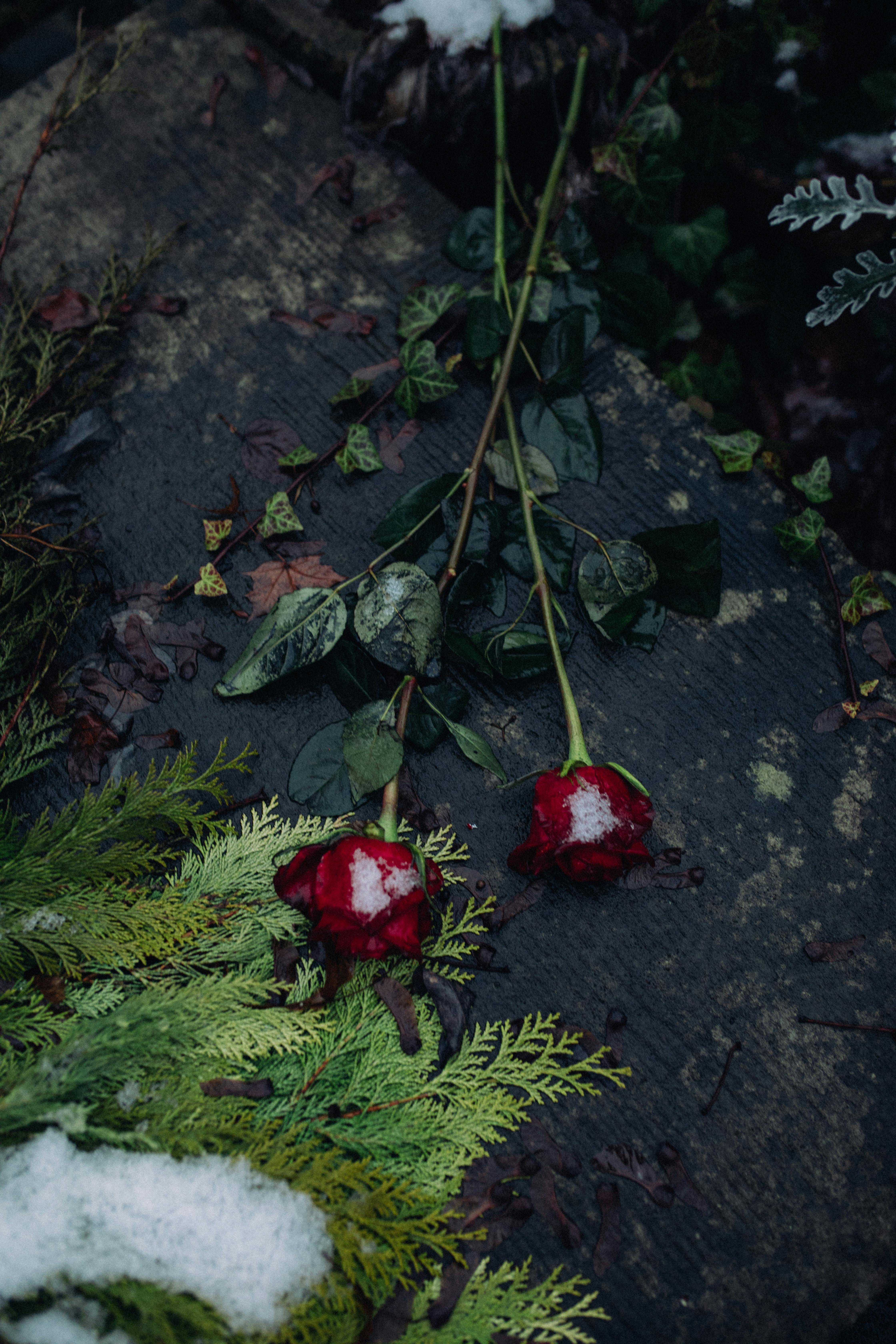
Photo by KoolShooters : https://www.pexels.com/photo/red-rose-on-concrete-floor-6495751/
Our feelings of sorrow and anger are a valid and powerful moral response. They are a testament to a refusal to forget. By acknowledging the full, painful history of Thanksgiving, we do not erase the potential for gratitude, but we ground it in truth. We honor the lost by remembering them, and in doing so, we take a small step toward the better future we wish for. A day built on justice, acknowledgment, and a more complete understanding of our shared past.
 | A guest post by
|
Thank you for this
All of this. Thank you for your words. 💕